
Sustainability
Sustainable Markets
Development of overseas markets
In the early 2000s, palm oil became strongly associated with deforestation, threats to species, environmental damage and severe social consequences. In response, the Roundtable on Sustainable Palm Oil (RSPO) was formed in 2004.
- Producers & processors
- Traders
- Consumer goods manufacturers
- Retailers
- Banks & investors
- Environmental conservation NGOs
- Social or developmental NGOs
The aim was to develop and implement a global standard for sustainable palm oil.
This multi-stakeholder approach developed Principles and Criteria (with supporting indicators) that industry players could adhere to.
Principle is the fundamental statement about the desired outcome. Criteria implement the principle—the means of judging whether the principle has been fulfilled.
Univanich Palm Oil PCL, with its embedded sustainable and inclusive culture, became an early member of the RSPO. The RSPO has provided Univanich with a globally recognised and certifiable framework.
As a certified member of RSPO since 2013, Univanich engages in an annual audit and verification of the production process against the stringent RSPO Principles and Criteria for Sustainable Palm Oil Production by accredited certifying bodies.
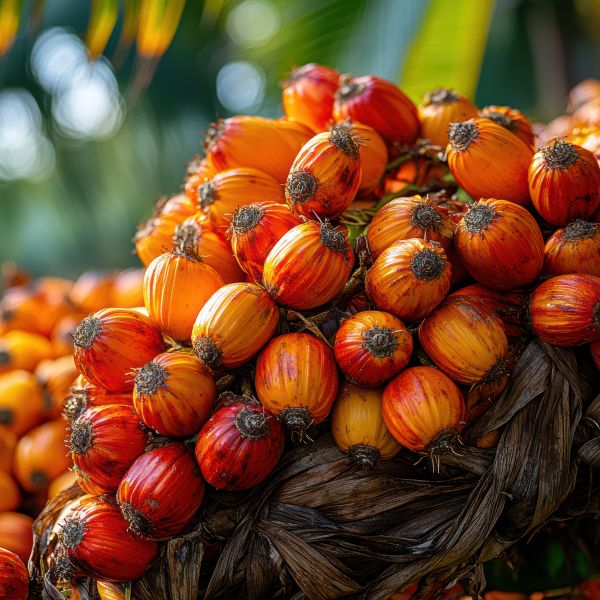
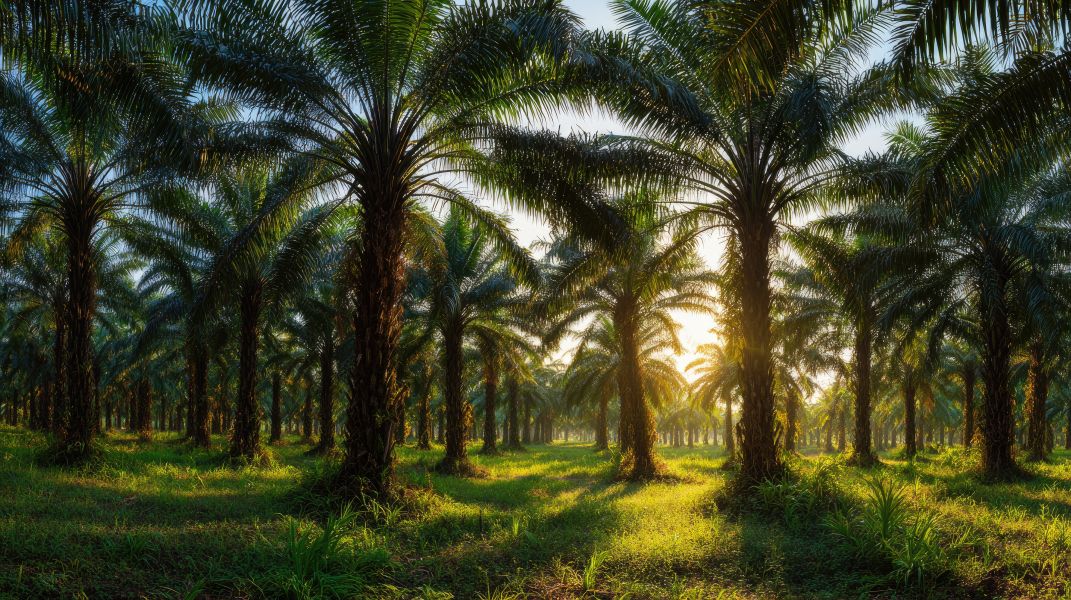
RSPO principles and criteria — topics and objectives
Prosperity
Criteria topic
- Information and public availability
- Communication and consultation
- Commitment to ethical conduct
- Legal compliance
- Third party contractors legal
- Third party FFB legally sourced
- Long term plan and economic viability
- Continuous improvement and reporting
- Standard operating procedures
- SEIA and plans
- System for managing human resources
- Occupational health and safety plan
- Training
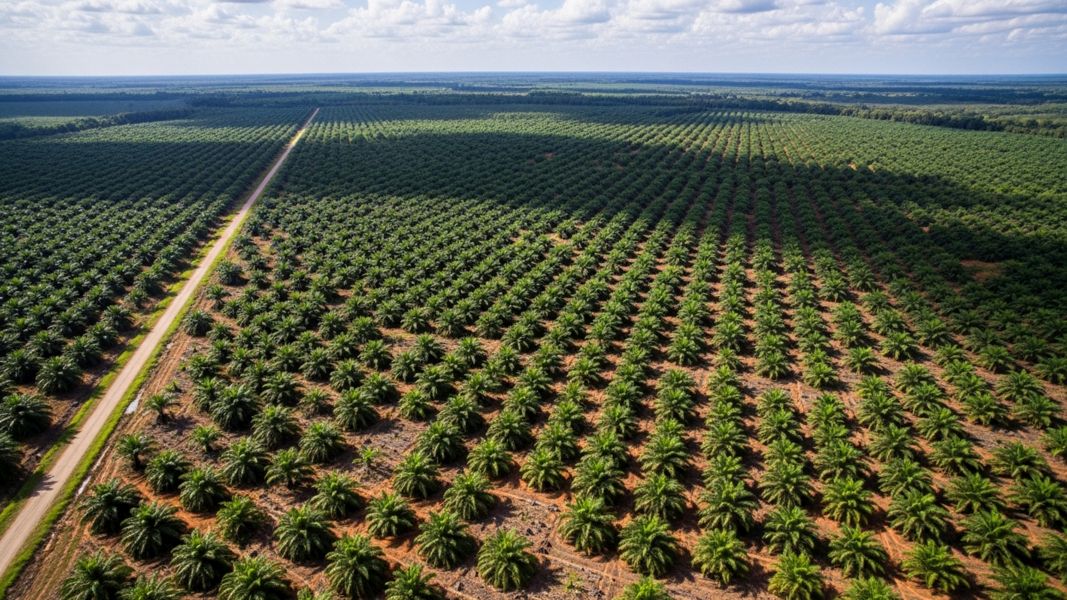
Objective
A sustainable, competitive and resilient palm oil sector ensures long-term viability of the entire supply chain and shared benefits for both the private sector and the livelihoods of communities where oil palm is grown. Effective planning and management systems address economic viability, environmental and social compliance and risk, establish procedures and systems for ensuring conformance to the RSPO P&C, and support continuous improvement towards sustainable palm oil.
People
Criteria topic
- Human rights
- Complaints and grievances
- Contribution to local sustainable development
- Land use and free, prior, informed consent (FPIC)
- Land use: compensation
- Land use: conflict
- Improved smallholder livelihoods
- Pay and working conditions
- No discrimination
- Freedom of association
- No child labour
- No harassment
- No forced or trafficked labour
- Safe working environment
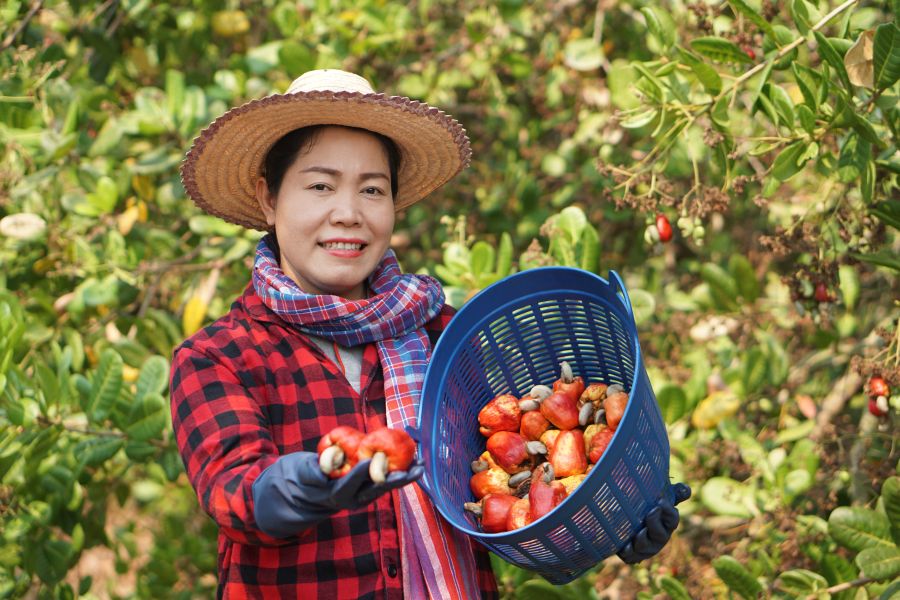
Objective
Human rights are protected, respected and remedied. The palm sector contributes to reducing poverty, and palm oil production is a source of sustainable livelihoods. People participate in processes that affect them with shared access and benefits. Everyone engaged in palm oil production has equal opportunities to fulfil their potential in work and community with dignity and equality, in a healthy working and living environment.
Planet
Criteria topic
- Effective integrated pest management
- Pesticide usage
- Waste management
- Soil health and fertility
- Soil conservation (erosion and degradation)
- Soil surveys and topographic information
- Peat
- Water quality and quantity
- Energy use
- Pollution and GHGs
- Fire
- HCV and HCS

Objective
Conserved, protected and enhanced ecosystems for the next generation. Ecosystems and their services are protected, restored and resilient, including through sustainable management of natural resources. Climate change is addressed through continuous GHG reduction; air and water pollution are controlled.
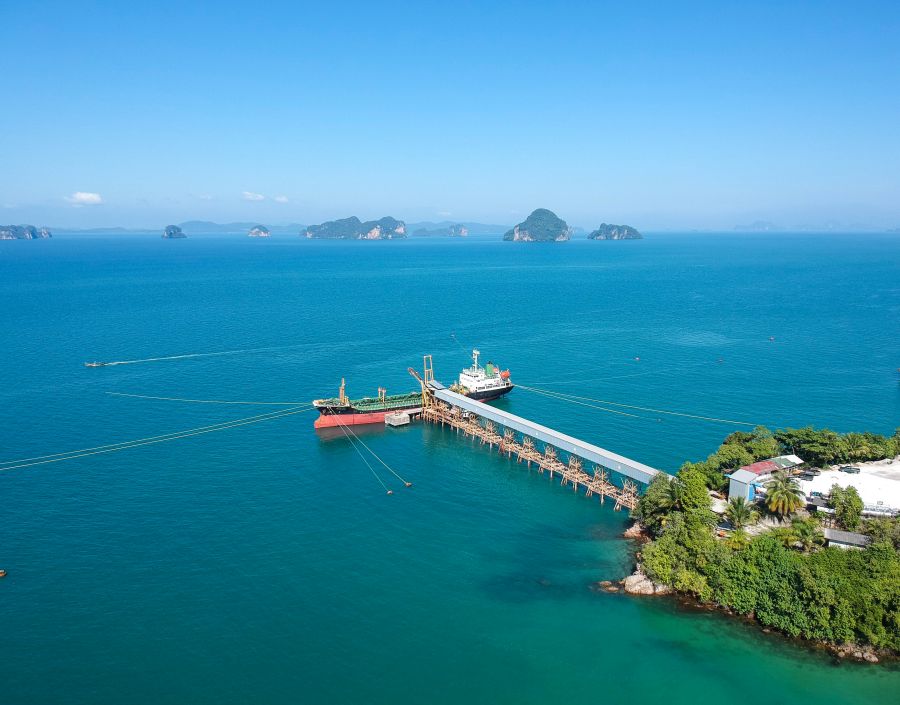

Univanich uses the RSPO Principles and Criteria as the foundation and guidance for its environment, social and governance (ESG) platform, demonstrating benchmarks and continuous improvement through monitoring of key performance indicators with targets—highlighting sustainable and responsible growth and mitigating enterprise risk.
By supporting and adhering to the RSPO Principles and Criteria, we are confident in marketing our certified sustainable palm oil in both domestic and international markets.
Need more information?
Univanich Palm Oil PCL has been a pioneer of the oil palm industry in Thailand since the company's first plantations were established back in 1969. Today, Univanich is Thailand's leading producer of crude palm oils and high quality oil palm seeds.
Contact Us